After a contractor completes mold work
A clearance report gives you a clean handoff: the remediation is documented as finished, the area is inspected, and the decision to remove containment is supported by data.
Serving Mission Viejo, California & surrounding areas
Mon–Fri 8am–6pm Sat 9am–2pm
Post-remediation verification · Mission Viejo
If you have had mold work done, clearance is the last step that proves the cleanup actually met the target. We provide independent PRV testing, detailed documentation, and a clear pass/fail result you can share with your contractor, property manager, or buyer.
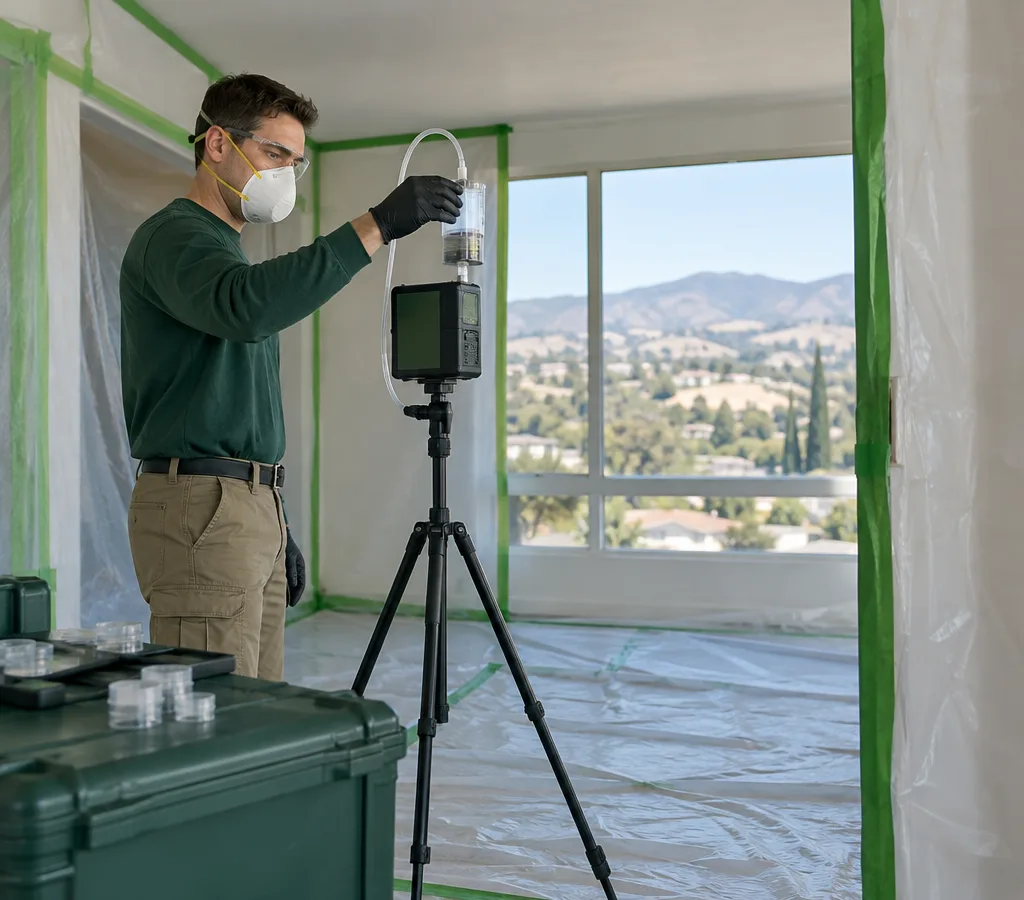
A documented final step
Post Remediation Clearance Testing in Mission Viejo is a verification step performed after a remediation contractor finishes removal, cleaning, and drying. The goal is simple: confirm the remediated area is clean and dry enough to be put back into service and that the containment can come down.
A proper PRV (Post Remediation Verification) is independent. That means the party doing the clearance testing is not the same company that performed the remediation. Independence reduces conflicts, keeps reporting straightforward, and gives property owners a document that holds up better during a sale, a lease turnover, or an insurance file.
Your clearance package typically includes a written PRV report, field notes, photos of the inspected area and containment, moisture readings where relevant, and laboratory results when sampling is part of the scope. If the project passes, you can request your mold clearance certificate for Mission Viejo documentation needs—real estate, property management, or peace of mind.
If you also need baseline sampling or pre-remediation documentation, our team at Mold Testing Mission Viejo can coordinate it as part of certified mold testing and laboratory sampling.
Clearance scope
Clearance is more than collecting a single air sample. A strong PRV combines a careful visual assessment with environmental and moisture data that fits what was remediated.
We look for visible dust or debris, missed materials, incomplete cleaning, poor containment removal, or disturbed surfaces that should have been HEPA-vacuumed and wiped. If critical barriers are still up, we verify that the containment is intact and appropriate for the scope.
If the original issue involved water intrusion, leaks, condensation, or damp building materials, we confirm that materials are dry enough for rebuild. We typically use non-invasive meters for scanning and pin meters for confirmation when appropriate.
Depending on the job, we may recommend spore trap air sampling, surface sampling such as a tape lift or swab, or dust sampling in the work area and a comparison sample outside the containment. Sampling design depends on what was removed, how large the work area was, and whether the HVAC system was involved.
You receive a written report that ties the findings to the remediation area, documents the methods used, and states whether the area met clearance criteria based on the inspection and data collected.
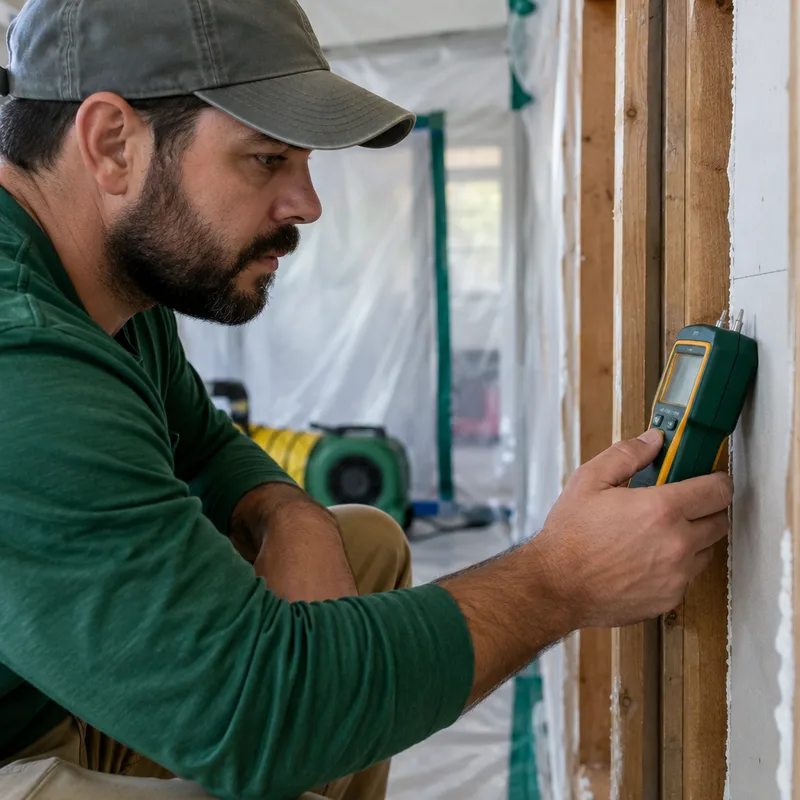
Clear documentation when it counts
A clearance report gives you a clean handoff: the remediation is documented as finished, the area is inspected, and the decision to remove containment is supported by data.
PRV helps avoid rebuilding over damp materials or hidden dust. Catching an issue at clearance is cheaper than opening the same area again later.
When repairs were made during a sale, buyers and agents often want independent documentation that the remediation was verified after completion.
For rentals, clearance paperwork helps document habitability steps and provides a clear record of what was inspected and when.
When water affects multiple units or common areas, an independent PRV can help keep responsibilities and next steps clear across parties.
From scope review to findings
We confirm what was remediated, what materials were removed, and whether the project is ready for clearance—for example, active drying has stopped and the area is cleaned. If the job is not ready, we tell you what needs to change before testing.
We inspect the work area, containment, adjacent surfaces, and any areas that were opened. Where water damage was involved, we take moisture readings to confirm materials are dry enough for re-occupancy or rebuild.
We select sample locations based on the work area and airflow patterns. When air sampling is used, we typically include at least one control or comparison sample to interpret the results in context.
Samples are submitted for laboratory analysis when applicable, and the chain of custody is documented. We compile the inspection notes, photos, readings, and lab results into a PRV report.
If the project passes, you receive documentation suitable for a mold clearance certificate request. If it does not pass, we identify what failed—cleaning, moisture, or conditions—and what to correct before re-testing.
Visit-based pricing
Post remediation clearance testing in Mission Viejo typically ranges from about $350 to $950, depending on the size of the remediated area and how many samples are needed. A small, contained single-room PRV with limited sampling is often on the low end, while multi-room projects, condo or heavy documentation needs, or PRVs that require multiple air and surface samples trend higher.
Final cost changes with access, whether moisture mapping is needed, how many areas need verification, and lab fees for each sample submitted. The exact price is confirmed after we review the remediation scope and the site conditions at the clearance visit.
If you want independent PRV testing in Mission Viejo that your contractor and stakeholders can rely on, share your remediation scope and we will recommend a clearance plan that fits the work performed.
Book Your Free InspectionStraight answers before clearance
Independent PRV testing is not always legally required, but it is widely recommended whenever remediation involved containment, material removal, or a real estate, insurance, or tenant documentation need. Independence matters because the tester is verifying the remediation outcome without having performed the work.
Clearance can be performed once the remediation contractor has completed cleaning, removed debris, and the area is dry and stable. If the space is still actively drying, still dusty from demolition, or the containment is being used as a work zone, clearance results can be misleading and may trigger a failed PRV.
No, air sampling is common but not automatic. A strong clearance decision is based on the remediation scope, a detailed visual inspection, and moisture confirmation when water damage was involved; sampling is added when it improves confidence in the result or when documentation stakeholders expect lab data.
A PRV typically fails due to visible dust or debris left behind, incomplete cleaning of adjacent surfaces, elevated moisture readings that suggest materials are still damp, or lab results that do not support clearance for the work area compared to a control sample. When a PRV fails, the fix is usually additional cleaning, correcting moisture, or addressing a missed reservoir before re-testing.
Yes, PRV testing is often performed with containment still in place so any issues can be corrected without spreading dust to the rest of the property. We also verify that the containment and negative air setup, when used, match what was needed for the scope before recommending removal.
A PRV report typically includes the job address and inspected areas, a summary of the remediation scope as provided, photo documentation, inspection observations, moisture readings where relevant, sampling locations and methods if sampling was performed, laboratory results, and a clear pass/fail statement with next steps.
Yes. With your permission, we can coordinate access and timing with the remediation contractor or a property manager so clearance happens at the right moment, especially for multi-party projects like condos or managed rentals in Mission Viejo.
Tell us what was remediated, when the contractor expects to be finished, and whether you need documentation for a sale, a tenant file, or an insurance claim. We will schedule an independent clearance visit and deliver a report that matches the scope of work.