Lab-identified findings by sample
Each swab or tape-lift sample is tracked individually so you can tie the report back to the exact surface that was tested.
Serving Mission Viejo, California & surrounding areas
Mon–Fri 8am–6pm Sat 9am–2pm
Surface sampling service · Mission Viejo
When you see suspicious spots on drywall, framing, cabinets, or HVAC surfaces, surface sampling helps identify what is actually present. We collect swab and tape-lift samples using clean technique and send them to a certified laboratory for clear, written results you can use to make next-step decisions.
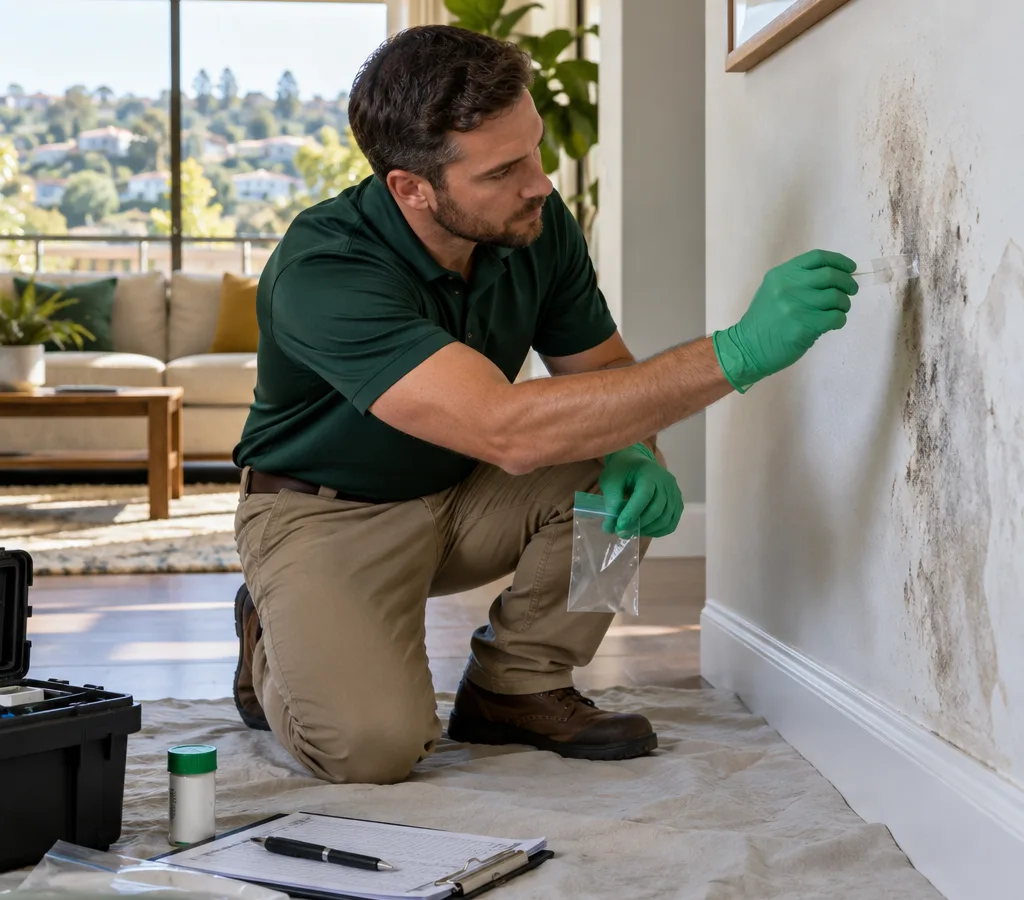
Targeted surface identification
Mold surface testing in Mission Viejo is best when you need to identify growth or residue on a specific material. If you have visible spotting on baseboards after a plumbing leak, speckling on a closet wall behind stored items, staining under a sink, or buildup around a supply vent, a targeted surface sample can answer a simple question: what is on this surface?
A mold swab test in Mission Viejo is often used on rough or porous materials where tape will not pick up well, including unfinished wood, textured drywall, concrete, and some insulation facings. A swab can also be useful inside a small accessible cavity or along an edge without damaging the area.
Tape-lift sampling is typically used on smooth or semi-smooth surfaces such as painted drywall, metal, glass, and finished wood. If you are documenting a specific patch before cleaning, demolition, or contractor work begins, surface sampling provides a timestamped record tied to that exact location.
Method matched to material
Surface sampling is only as good as the collection method. We choose between swab and tape based on surface type, moisture history, and what you are trying to learn.
Tape lift sampling in Mission Viejo picks up particulate material sitting on top of a surface. It is commonly used for:
Swabbing is better for uneven or absorbent areas where tape will not make full contact. It is commonly used for:
For either method, we label each sample to a specific room and surface, document the material, appearance, and recent water events, and maintain chain-of-custody to the lab. Additional sampling approaches can provide a broader view when one surface spot does not answer the full question.
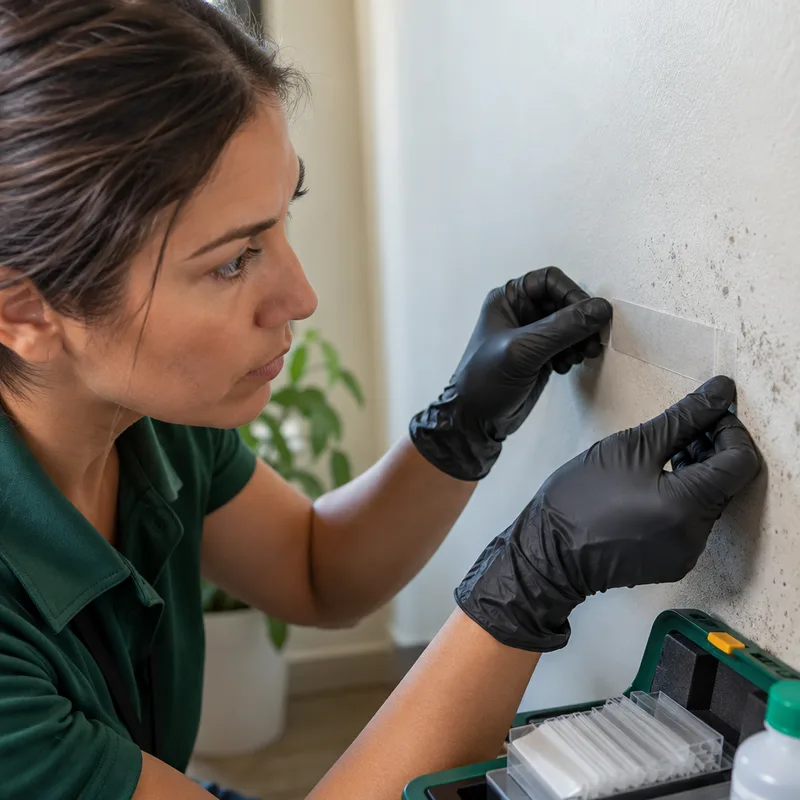
Location-specific findings
Each swab or tape-lift sample is tracked individually so you can tie the report back to the exact surface that was tested.
Gloves, clean handling, and sealed packaging reduce the chance that one area's material ends up on another sample.
You receive a written result set that can be provided to a property manager, contractor, or insurance file if needed.
We do not force one method onto every surface. The surface type drives the choice of swab versus tape.
Surface results identify what was collected at that spot; they do not measure airborne levels unless air sampling is performed separately.
From surface review to results
We start by confirming the surfaces you want tested and the reason: visible growth, staining, post-leak verification, or documentation before repairs. We also note nearby materials and any recent cleaning attempts that could affect results.
We use tape lifts for smooth surfaces and swabs for rough or porous ones. When access is limited, we discuss what can be sampled without unnecessary disturbance.
Each sample is sealed and labeled to a unique location. We record room, surface type, and context so the report stays meaningful after the fact.
Samples are sent to a certified lab for identification. When results are ready, we review what was found and what it means for next steps in that specific area.
Depending on the findings and the condition of the material, next steps may include controlled cleaning, removal of affected building materials, addressing moisture sources, or additional sampling to define the extent.
Visit-based pricing
Mold surface testing in Mission Viejo typically ranges from about $150 to $450 for a small, targeted visit with 1 to 2 surface samples, while more involved projects with multiple rooms and additional samples often run $450 to $900+. Final pricing changes with the number of samples sent to the lab, difficulty of access such as high ceilings or tight crawl areas, documentation needs across multiple labeled locations, and whether you add other sampling types. Exact costs are confirmed after we review the surfaces to be tested and the scope onsite.
Client experience
“We had dark spotting inside a bathroom vanity after a slow leak. The swab samples were labeled clearly, and the lab report matched each spot we were worried about. It helped us decide what needed to be removed and what could be cleaned.”
“After a cleanup by a contractor, we wanted documentation that the visible residue on the drywall wasn't active growth. The tape-lift results gave us something concrete to file and move forward.”
Straight answers before sampling
It can still be useful, but cleaning can reduce what is collectable and may change what the lab sees. If a surface was wiped with bleach or a disinfectant, tell us before sampling so we can choose the best remaining locations—edges, protected corners, or adjacent materials—and set expectations for the results.
Tape lifts are usually better on smoother surfaces where material is sitting on top of paint, metal, glass, or finished wood. A tape lift can capture intact structures for microscopic identification, which is helpful when you are documenting a specific visible patch before any work begins.
No. Surface sampling identifies what was collected from that surface at that location, and it does not measure airborne concentration. If you need to evaluate exposure risk or compare indoor air to outdoor air, that requires air sampling, which can be discussed as part of the overall scope.
Most situations start with 1 to 3 well-chosen samples that represent the areas of concern, plus an additional sample if there are distinct-looking spots in different rooms or on different materials. Taking many samples from the same patch rarely adds value; selecting representative locations does.
Most swab and tape-lift samples can be collected non-destructively from exposed surfaces like drywall, trim, cabinet interiors, window frames, and accessible HVAC registers. If the only suspect area is inside a sealed wall or ceiling cavity, we will explain options and limitations before anything is opened.
Turnaround depends on the laboratory and the test type, but many routine surface sample reports return within a few business days. If you are on a repair timeline, tell us upfront so we can select the appropriate lab service level.
Surface testing can help document whether suspect material remains on a specific surface, but it is not a pass/fail certification by itself. A meaningful post-work check also considers moisture conditions, the extent of removal, and whether remaining surfaces were properly cleaned and protected from re-wetting.
Tell us what you are seeing and where it is showing up. Mold Testing Mission Viejo can recommend the right sampling method, collect clean swab or tape-lift samples, and provide clear lab results tied to each location.