Airborne particulates
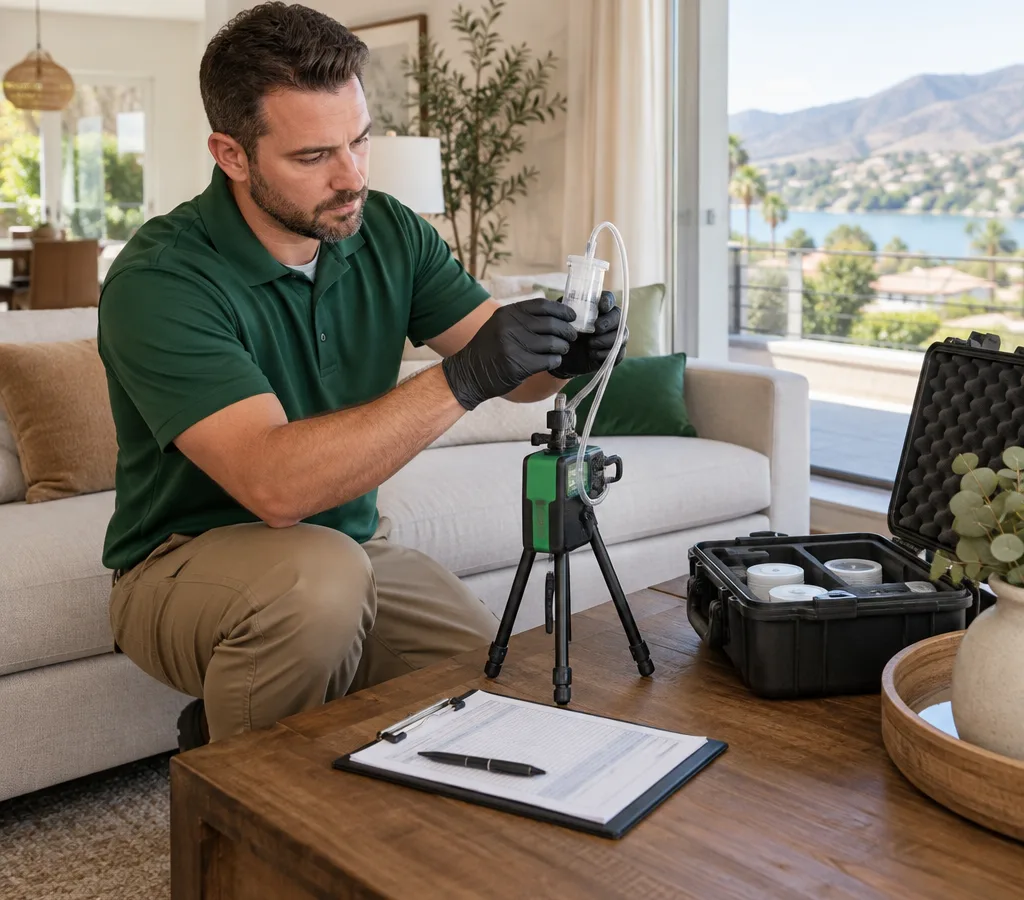
Indoor air samples capture fine particulate loads in the breathing zone. This helps identify rooms with higher particle burden and whether filtration or source control should be prioritized.
Serving Mission Viejo, California & surrounding areas
Mon–Fri 8am–6pm Sat 9am–2pm
Allergen testing service · Mission Viejo
If sneezing, itchy eyes, or irritation spike at home, targeted air and dust sampling can identify what is actually in your indoor environment so you can fix the right problem instead of guessing.
Clear environmental data
Indoor particulate testing in Mission Viejo is designed to answer a practical question: what airborne and settled particles are present in your home, and are they consistent with the symptoms or concerns you're seeing? A good test plan focuses on likely triggers such as dust, pet dander, pollen that makes its way indoors, and dust mite allergen reservoirs in soft materials.
Testing has limits. Sampling does not diagnose medical conditions, and it does not prove what is causing a specific person's symptoms. What it does provide is objective data: where particles are accumulating, whether indoor levels look elevated compared with a baseline, and which areas are most worth addressing first.
In Mission Viejo, a lot of allergen complaints come down to how air moves through the home: open windows during warm weather, HVAC return locations, and how much carpet, upholstered furniture, and stored items can hold onto fine dust. The goal of allergen testing is to narrow the field so cleaning, filtration, or source control efforts are focused and measurable.
If your concern is broader than allergens and includes possible microbial growth, starting with certified mold testing and laboratory sampling can help separate particulate irritation from conditions that require a different type of assessment.
Targeted sampling scope
Indoor air samples capture fine particulate loads in the breathing zone. This helps identify rooms with higher particle burden and whether filtration or source control should be prioritized.
Dust sampling targets where allergens actually accumulate: carpets, rugs, sofas, pet areas, and bedroom surfaces. This is especially relevant for dust mite testing in Mission Viejo homes with soft furnishings.
We can compare living spaces, bedrooms, and HVAC-influenced areas to see where dander is settling most heavily, which often tracks with airflow and cleaning patterns.
Outdoor pollen can be brought in through open windows, entries, and clothing. Sampling helps you see whether pollen is persisting indoors rather than clearing with normal ventilation.
A useful plan often includes a complaint area and a reference area. The contrast can be more actionable than a single sample taken in isolation.
Results are organized so you can connect findings to next steps: filtration upgrades, cleaning scope, humidity control, or targeted removal of dust-holding materials.
Common allergen reservoirs
Most indoor allergens are not evenly spread. They concentrate where air slows down and where fibers trap dust.
Common hotspots we see during allergen testing in Mission Viejo include:
Local living patterns matter too. In areas like Rancho Santa Margarita and Ladera Ranch where windows may be opened for comfort during mild weather, pollen and outdoor particulate intrusion can be a bigger part of the picture. In more enclosed, air-conditioned homes, particle buildup may track more with filtration, housekeeping, and how often ducts and returns are maintained.
The best testing plan connects these likely reservoirs to the rooms you actually occupy most, then samples accordingly.
From intake to interpretation
We start by pinpointing where and when issues show up: certain rooms, time of day, after HVAC cycles, after cleaning, or when windows are open. This shapes a sampling plan that fits your home instead of using a one-size template.
We identify likely reservoirs such as carpet, bedding, and upholstery, review airflow patterns around returns and supply registers, and note obvious particle sources. Then we choose air samples, dust samples, or both.
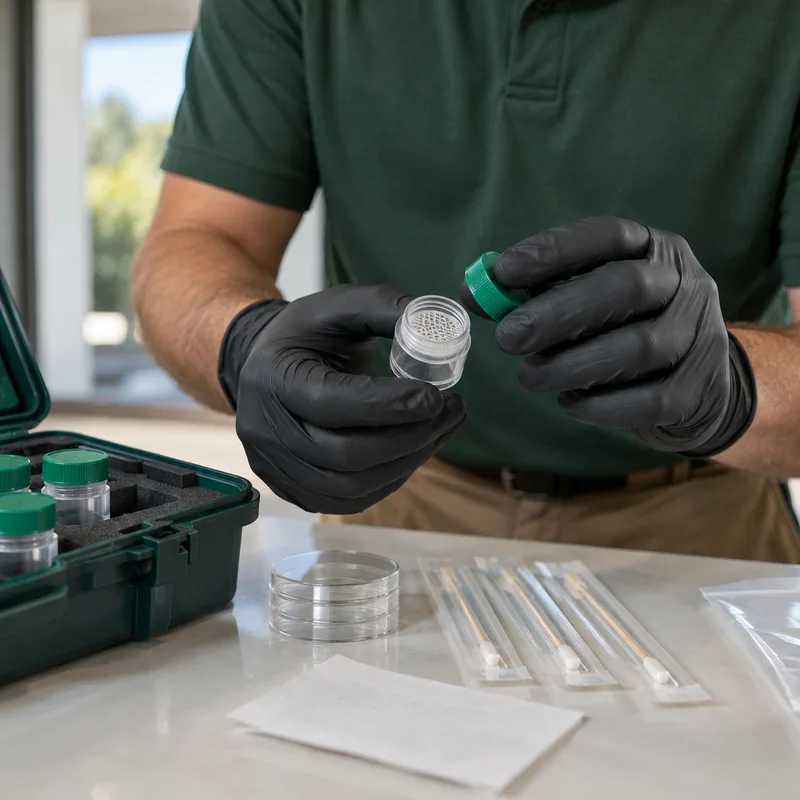
Air sampling is typically done in the breathing zone and can be set for a defined time period. Dust sampling targets specific surfaces using clean collection methods to avoid cross-contamination.
Samples are labeled and documented so results can be traced to the exact room and collection type. That detail matters when you're deciding what to change in the home.
We explain what was detected, where it was highest, and what interventions are most likely to reduce exposure. If follow-up sampling makes sense after changes, we'll outline a realistic retest plan.
Visit-based pricing
Allergen testing in Mission Viejo typically ranges from about $250 to $750+, depending on how many rooms are sampled and whether you need air sampling, dust reservoir sampling, or both. A focused single-area check is often on the lower end, while whole-home comparisons with multiple samples and lab line items cost more.
Final pricing mainly depends on sample count, the type of analysis requested—for example, an allergen panel versus particulate metrics—access to key areas, and how targeted the plan is to your concerns. The exact cost is confirmed after the on-site assessment and a written sampling scope.
Client experience
“We kept thinking it was seasonal allergies, but the testing showed the worst area was the bedroom. Once we focused on bedding, filtration, and the carpet, the difference was noticeable within a couple weeks.”
“The report was easy to follow. I liked that the samples were labeled by room and the recommendations were specific, not generic cleanup advice.”
Answers before sampling
Most homes benefit from a combination, because air samples show what is currently airborne while dust samples show what is accumulating over time. If symptoms are immediate when you enter a room, air sampling can be helpful; if the problem is persistent and cleaning doesn't seem to change it, dust reservoir sampling often gives clearer direction. We choose based on where the issue is happening and how the home is used.
Dust mite testing is typically done with targeted dust collection from the most relevant reservoirs, usually bedding and nearby flooring or rugs. Bedrooms are a priority because people spend hours there and mites thrive in soft, dust-holding materials. When appropriate, we also sample living room upholstery or pet resting areas to compare allergen loading between spaces.
Most appointments take about 45 to 90 minutes depending on the number of samples and how many rooms are included. You can usually stay home; we just ask that doors to sampled rooms remain in the same position during collection and that pets are kept away from the sampling setup so results reflect typical conditions.
For the most representative results, avoid major cleaning and filter changes right before sampling. A fresh deep clean can temporarily lower dust levels and hide where allergens are building up. If you have an urgent comfort issue, tell us what was recently done so we can interpret the results with that context and choose sample locations accordingly.
Yes, indoor sampling can indicate pollen presence and whether it's persisting indoors rather than clearing out with normal airflow. We often see higher indoor pollen signatures near frequently used entries and in rooms where windows are opened. The most useful outcome is connecting the finding to practical control steps like entryway routines, filtration choices, and cleaning priorities.
After results are reviewed, we outline the most direct steps to reduce exposure based on where allergens are highest, such as bedroom-specific controls, upgrading filtration, or removing a key dust reservoir. Re-testing is an option when you want to verify that changes made a measurable difference, especially after replacing carpets, changing cleaning methods, or adjusting HVAC filtration and return management.
If you're tired of guessing whether dust, dander, or pollen is driving the problem, a targeted sampling plan can give you a clear starting point and a realistic path to improvement.
Book Your Free InspectionTell us what rooms are causing the most trouble and what you've already tried. Mold Testing Mission Viejo will recommend a sampling approach that fits your home, your concerns, and the level of detail you actually need.